


Post
Lymphedema Stages Explained: When You Need Custom Compression Garments and Why
September 2025
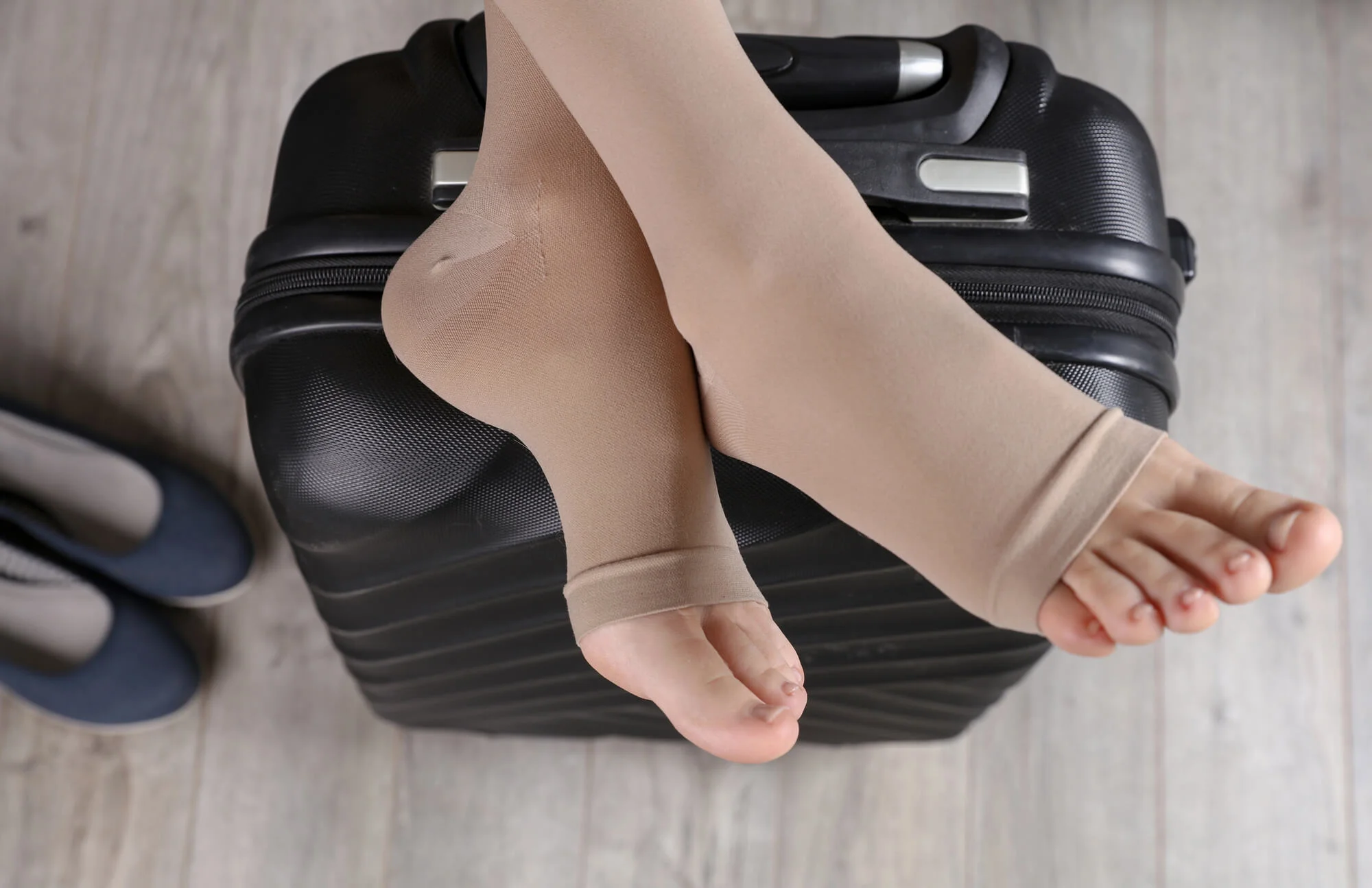
Lymphedema doesn’t always begin with dramatic swelling or discomfort. Often, it starts quietly—an odd tightness in your sleeve, slight puffiness around the ankles, or skin that just feels “different.” These subtle signs are easy to brush off. But they’re often the earliest indicators of a condition that, left unchecked, can lead to serious complications.
Whether your lymphedema is mild or advanced, one solution remains constant: properly fitted compression. While generic options exist, the best custom compression garments for lymphedema offer personalized support tailored to your limb size, shape, and specific stage.
Early use can help protect your skin, improve comfort, and slow the progression of the condition without waiting for it to worsen.
What Is Lymphedema?
Lymphedema is a chronic condition characterized by swelling, typically in the arms or legs, resulting from a buildup of lymphatic fluid. It happens when the lymphatic system, which helps circulate immune cells and remove waste, becomes damaged or overwhelmed. Instead of draining properly, fluid accumulates in the tissues, leading to discomfort and swelling.
There are two types of lymphedema:
- Primary lymphedema: Caused by inherited or developmental abnormalities in the lymphatic system.
- Secondary lymphedema: Results from surgery, radiation, cancer treatment, trauma, or infection that affects lymph nodes or vessels.
The condition progresses slowly, and symptoms can evolve over time. While the early stages may seem manageable without treatment, delaying intervention often leads to skin changes, tissue hardening, and an increased risk of infection.
The Four Stages of Lymphedema (0–3) and What They Mean
Stage 0 – The Silent Stage (Latency)
This stage is often invisible. There’s no noticeable swelling, but the lymphatic system is already compromised. You may experience heaviness, slight tingling, or tightness, especially after prolonged periods of sitting or standing.
Since there are no outward signs, many people dismiss their symptoms as insignificant. But this is precisely when early monitoring becomes vital. At Stage 0, proactive management can keep the condition from progressing.
Although compression garments might not be required full-time, they may be recommended during travel, extended periods of sitting, or physical activity. Using compression early is a quiet defense strategy against worsening symptoms.
Stage 1 – Reversible Swelling
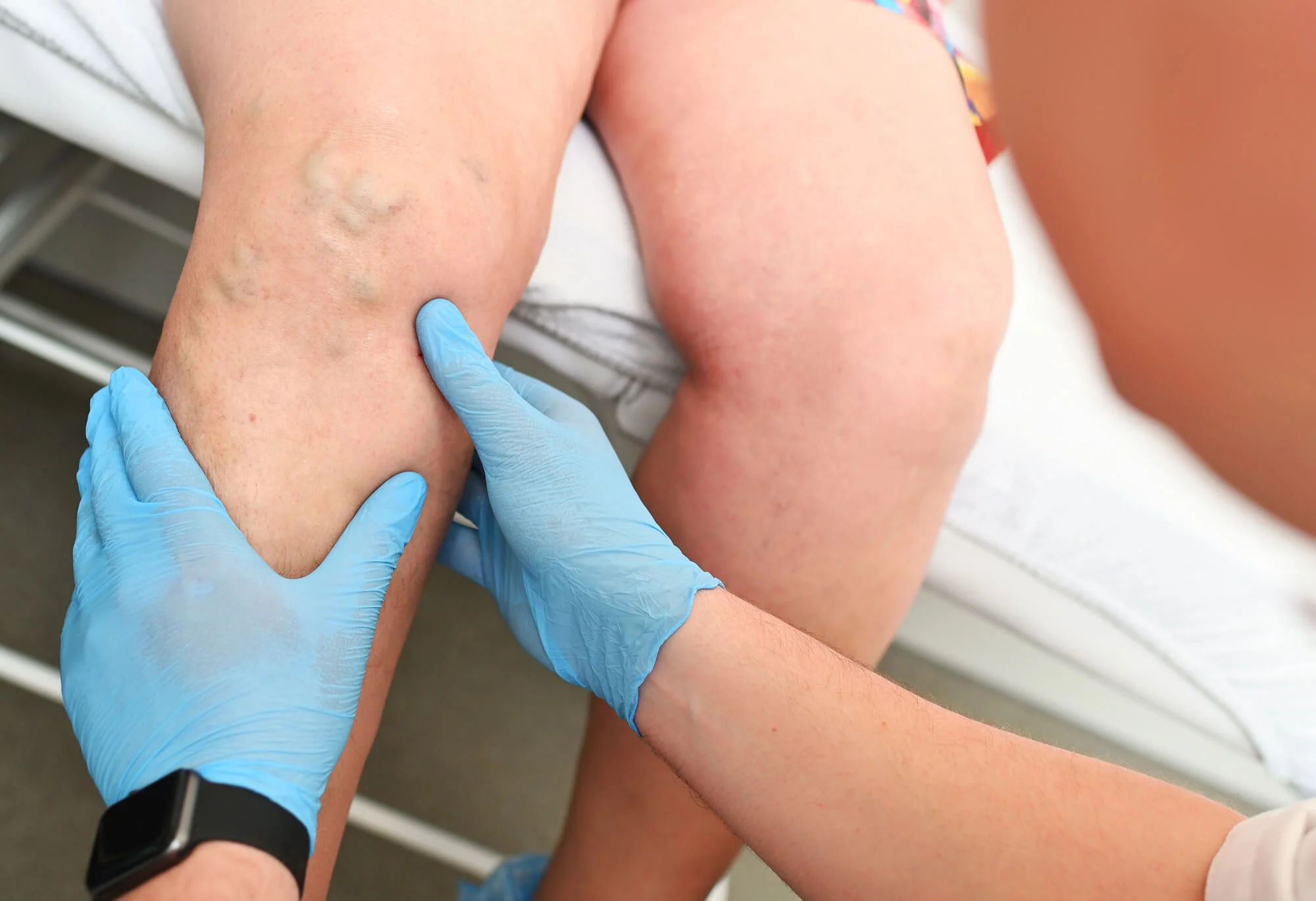
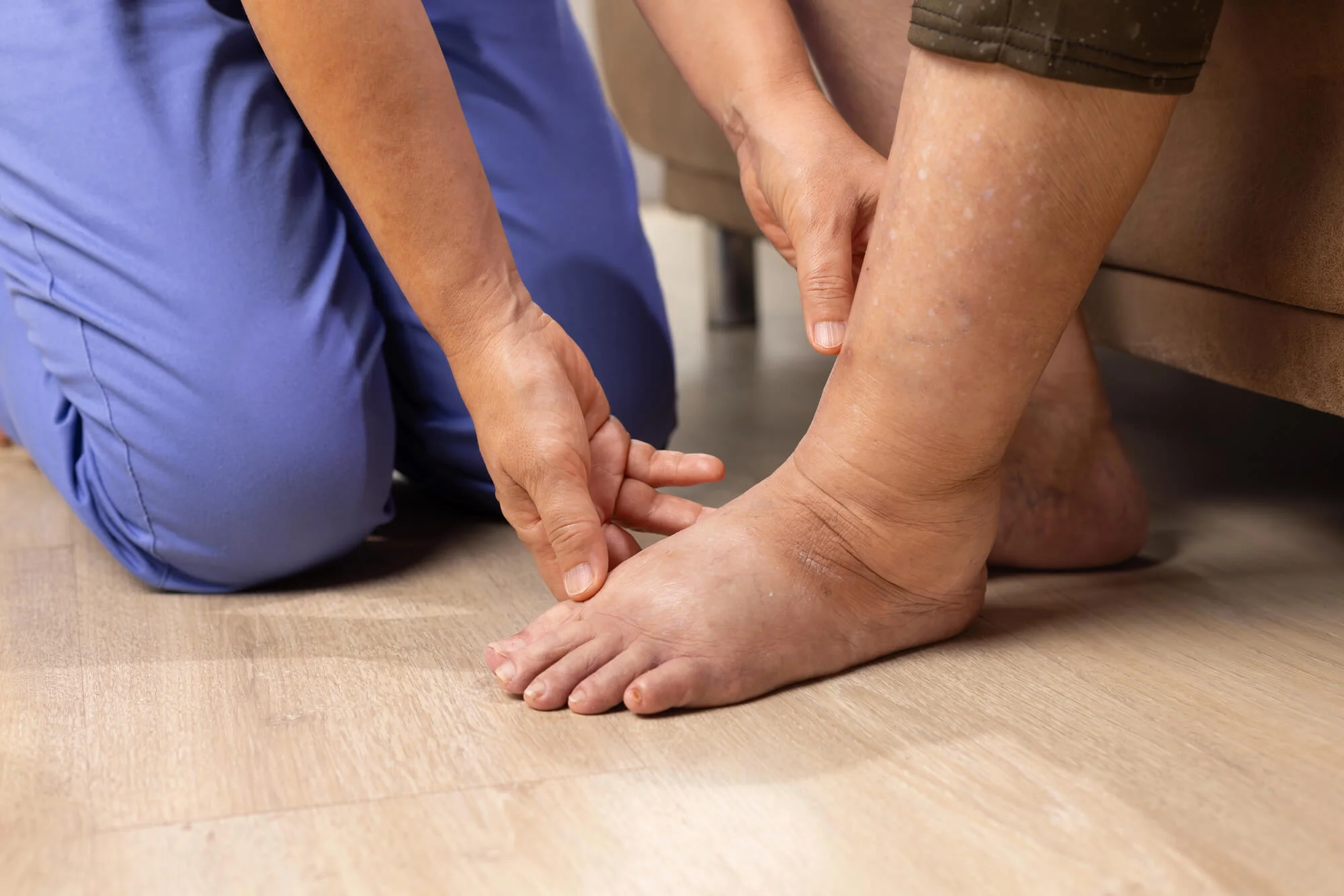
In Stage 1, swelling is visible. It may come and go, worsening throughout the day and improving with leg elevation or rest. The skin remains soft, and if you press your finger into the swollen area, it leaves a temporary dent (called pitting edema).
This is the window of opportunity to make the biggest impact. At this stage, compression therapy helps reverse swelling and assist the body in reabsorbing trapped fluid.
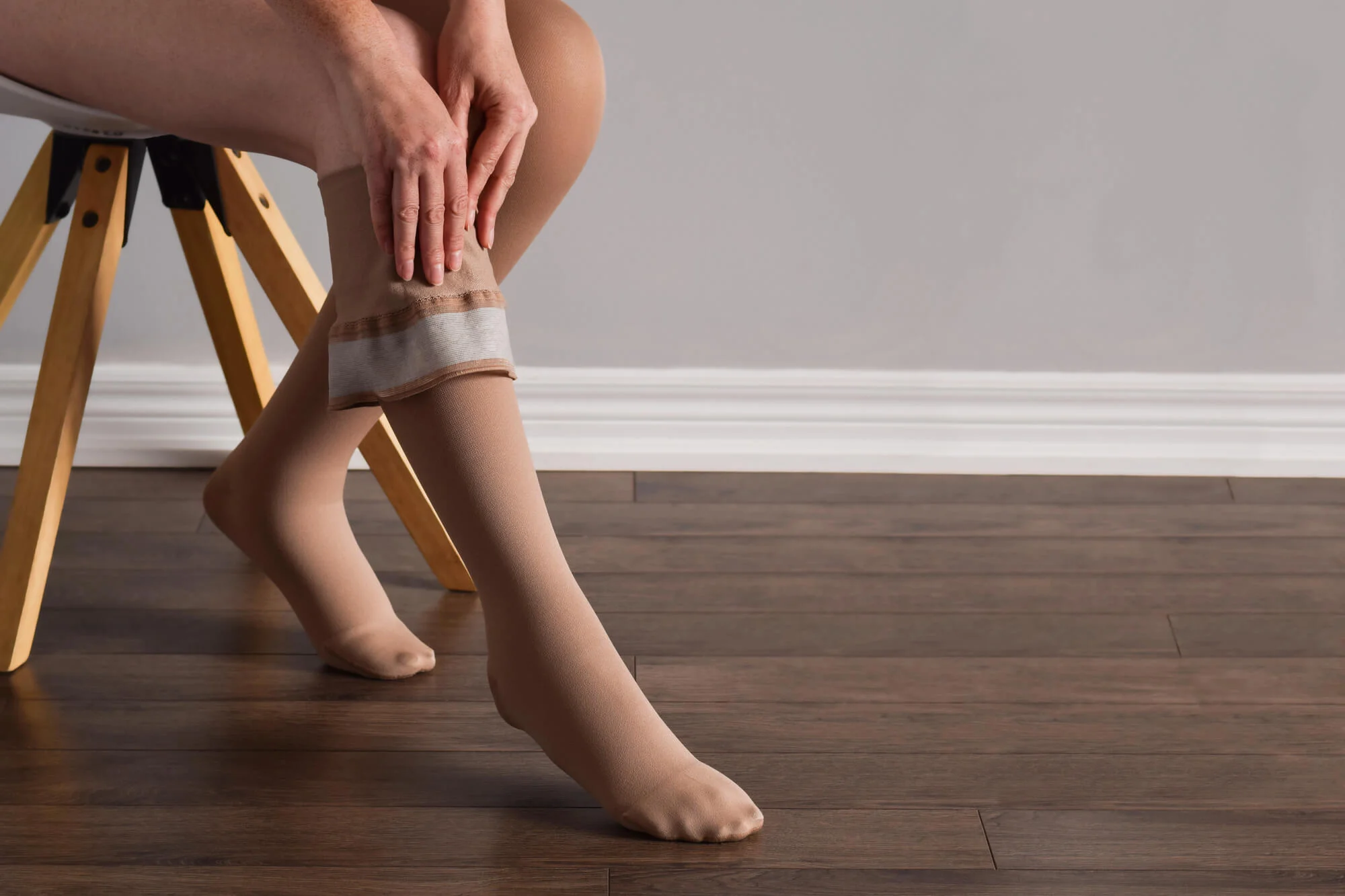
Custom compression garments are especially helpful in this case because they accommodate limb changes while applying graduated pressure to the affected area. They’re comfortable, breathable, and discreet, making consistent use easier.
Stage 2 – Fibrosis and Consistent Swelling
Stage 2 marks a turning point. Swelling becomes consistent and no longer improves overnight. The skin starts to thicken and harden (a process called fibrosis), and pressing the skin may no longer leave a dent.
Compression becomes essential. Without it, fluid builds up faster than the body can manage. At this stage, managing lymphedema becomes more complex and requires daily intervention.
Custom garments are crucial because off-the-shelf versions often don’t provide enough pressure or they fit poorly, leading to rubbing, discomfort, or gaps in support. In contrast, a custom fit ensures even compression, especially around joints and irregular limb contours.
Pairing garments with manual lymphatic drainage or exercise can improve comfort and maintain function, but compression is the backbone of daily care.
Stage 3 – Lymphostatic Elephantiasis
Stage 3 is the most advanced and often the most difficult to manage. Swelling is extreme and permanent. The skin becomes thick and stiff, and wart-like growths (papillomatosis) may develop. The risk of infection increases due to poor circulation and skin breakdown.
Mobility becomes limited, and everyday tasks can feel overwhelming. Emotionally, the visibility of symptoms can affect self-esteem, confidence, and relationships.
At this stage, custom compression garments are non-negotiable. They provide the level of support necessary to slow further progression, manage pain, and minimize complications. Since the limb has undergone significant changes, custom measurements are necessary to ensure a proper fit and support.
Some people require both day and night garments, which serve different purposes. Daywear focuses on mobility, while nightwear maintains progress while the body is at rest.
Why Understanding the Stages Matters
Understanding lymphedema stages helps you identify early warning signs and make informed decisions. Delaying treatment can lead to complications that are harder to manage.
No matter your stage, custom compression can be tailored to your needs. Many people think it’s fine to "wait and see," but this can result in irreversible damage and costly treatments.
Using compression garments early preserves mobility, minimizes skin damage, and reduces emotional strain. Prevention is always more effective and affordable than crisis management.
How Custom Compression Garments Work at Each Stage
Compression garments are designed to support the natural flow of lymphatic fluid. They apply external pressure to reduce swelling, prevent fluid buildup, and guide fluid toward working lymph nodes.
But not all garments are created equal.
Off-the-shelf sleeves and socks may provide temporary relief, but they often fall short in terms of fit, pressure distribution, and comfort. The best solution for long-term management is custom compression.
Here’s how they support each stage:
- Stage 0: Light compression is used intermittently to prevent swelling.
- Stage 1: Moderate compression for daytime use; helps reverse fluid buildup.
- Stage 2: Firm compression is needed to manage consistent swelling and fibrosis.
- Stage 3: Extra-firm compression designed for advanced swelling and skin changes; garments may be split into multiple pieces or reinforced in specific areas for added support.
High-quality custom garments also come with advanced features:
- Seamless construction to prevent irritation
- Breathable, antimicrobial fabrics for all-day wear
- Specific tailoring for ankles, knees, elbows, or irregular limb shapes
- Different models for day vs. night use
- Easy donning options for users with limited mobility
These garments are crafted not just for compression, but for daily function, safety, and comfort. As your condition evolves, updated measurements ensure continued support.
Services You Can Expect From a Medical Supplier
If you need compression garments, the choices and logistics can be overwhelming. Between selecting the right garment, getting measurements, and dealing with insurance, it's easy to procrastinate. A reliable medical supplier can simplify the process.
Here’s what to look for in a full-service supplier:
1. In-Home Fittings by Certified Fitters
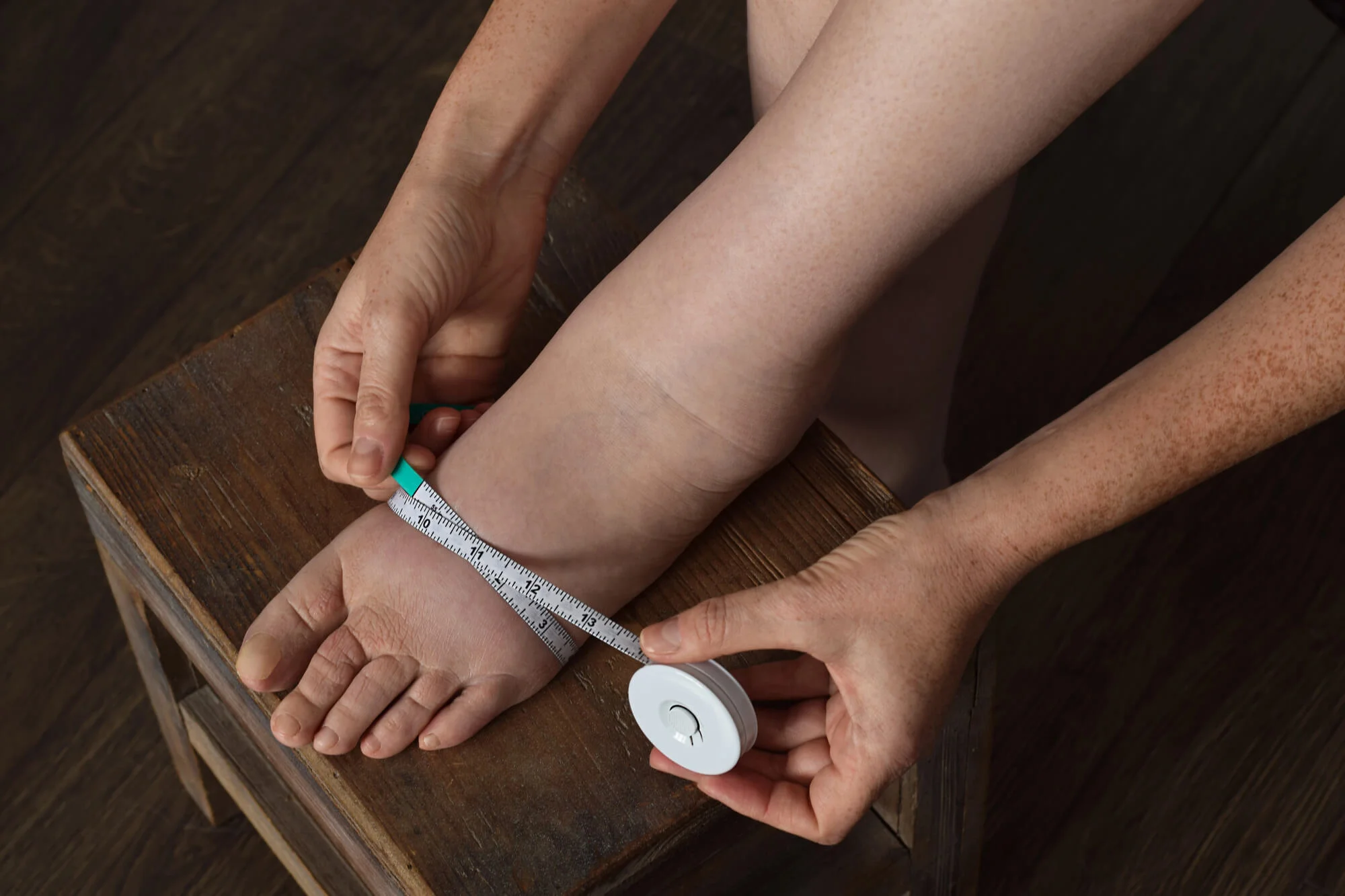
Custom garments need accurate limb measurements. A reliable supplier provides in-home visits from certified professionals who take measurements at rest, ensuring even and comfortable compression.
2. Medicare & Insurance Coordination
Many patients qualify for Medicare Part B or private insurance, but handling the paperwork can be frustrating. A top-tier supplier will verify your benefits, coordinate with your physician, and manage the claims process for you.
3. Reorders & Replacement Scheduling
Compression garments wear out with daily use. Reputable providers offer reminders and reorder services, as well as regular refittings for changes in limb size during treatment.
4. Variety of Custom Options
A reliable supplier should offer various compression levels, materials, and styles, including options for day and night wear, upper and lower limb garments, and designs for those with mobility challenges. This ensures the garment fits your lifestyle.
The Cost of Delay
Delaying lymphedema treatment or using over-the-counter sleeves can worsen symptoms and increase medical expenses. Let’s explore the potential costs of waiting.
1. Increased Risk of Infection
When fluid builds up under the skin, it stretches tissues and weakens your immune defenses. Even small scratches or cuts can introduce bacteria, leading to cellulitis, which is an infection that often requires antibiotics, ER visits, or hospitalization.
Infections like these are common among patients with lymphedema, especially those not undergoing compression therapy. Each episode adds cost, time, and discomfort, increasing the risk of permanent damage.
Some may require multiple hospital stays, which can be exhausting for those with chronic conditions. This repeated stress burdens caregivers and often leads to the need for long-term antibiotics, harming health and creating financial strain.
2. Complications That Limit Mobility
Without compression, swelling becomes harder to manage. The limb grows heavier, harder, and more painful. This can lead to muscle stiffness, balance issues, and occasionally, joint deformities. The resulting mobility loss can limit your independence, hinder physical activity, and negatively impact your quality of life.
Eventually, patients may find it challenging to drive, work, or even perform basic daily tasks such as bathing or dressing. Over time, these changes can lead to a dependence on assistive devices, such as canes, walkers, or scooters.
The lifestyle impact is steep, not just physically, but socially and emotionally, as many individuals begin to withdraw from hobbies and community life.
3. Higher Medical Bills Over Time
Managing advanced lymphedema is much more costly than early-stage care, involving expenses for wound care, physical therapy, medications, and surgeries. In contrast, compression garments, particularly when covered by Medicare, represent a smaller and more effective investment.
Delaying treatment can result in reduced insurance coverage, as some insurers may deny claims if early interventions are not pursued, thereby increasing the financial burden on patients. Additionally, the costs of frequent appointments, emergency visits, and lost productivity can total thousands each year.
Choosing the Best Custom Compression Garments for Lymphedema
So, how do you find the best custom compression garments for lymphedema? Ones that support healing without adding stress to your life?
Here are the features to look for:
1. Medical-Grade Materials
The fabric matters. Look for garments made with breathable, antimicrobial, and moisture-wicking materials. These reduce skin irritation and make long-term wear more comfortable, especially in warm climates or for those with active lifestyles.
Durability is also important. High-quality medical-grade fabrics retain their elasticity and compression over time, even after multiple washes, ensuring consistent performance and comfort. Cheaper materials may stretch out, losing their therapeutic effect and needing frequent replacements.
2. Graduated Compression
Effective garments apply gradient pressure—higher at the ankle or wrist and lower toward the heart—to promote fluid return and prevent lymph trapping. This design feels more natural and reduces fatigue.
It's important to ensure the gradient is medically calibrated, as properly tested garments provide predictable pressure zones for safe treatment. Without precision, uneven compression can decrease lymphatic flow and cause discomfort.
3. Exact Custom Fit
One-size-fits-all isn't effective for lymphedema. Custom garments are measured at multiple points along the limb to ensure even support, preventing gaps or pressure points that could worsen swelling or skin issues.
Professional fitting also accommodates changes in body shape over time, ensuring that compression remains therapeutic, whether due to post-surgical swelling, weight fluctuations, or natural changes in limb volume.
4. Style and Usability
You shouldn’t have to sacrifice comfort or style for health. Custom garments now offer various options, including skin tones, activewear designs, and features like zippers or donning aids. Softer nightwear focuses on maintenance during sleep.
There are also garments tailored for activities like swimming or flying, making it easier to wear compression consistently throughout your day. This consistency significantly impacts symptom management.
5. Easy Reordering and Support
Lymphedema is a lifelong condition that evolves over time. Your provider should keep track of your measurements and coverage schedule for easy garment reordering or refitting. Ongoing support is crucial for treatment adherence.
Choose providers that offer reminders for refits and renewals, particularly those familiar with Medicare or private insurance. This ensures seamless reordering, helping you avoid therapy lapses that could hinder your progress.
Are You Looking for the Best Custom Compression Garments for Lymphedema?
Managing lymphedema doesn't have to be overwhelming or expensive.
At No Cost Shoes, we offer Medicare-covered custom compression garments tailored to your specific needs and lifestyle. Our certified fitters come to you, take care of all measurements, and handle the paperwork with your provider and Medicare. If you qualify, your compression garments may cost you nothing out of pocket.
Don’t wait for your symptoms to progress. Get ahead of swelling and protect your mobility with custom-fit care that makes a real difference. Contact No Cost Shoes today to find out if you're eligible for a free pair of custom compression garments. Support, comfort, and peace of mind are just a phone call away.

Website by: Digital Resource