


Post
Compression Garments and Travel: How to Stay Comfortable and Protected on the Go
October 2025
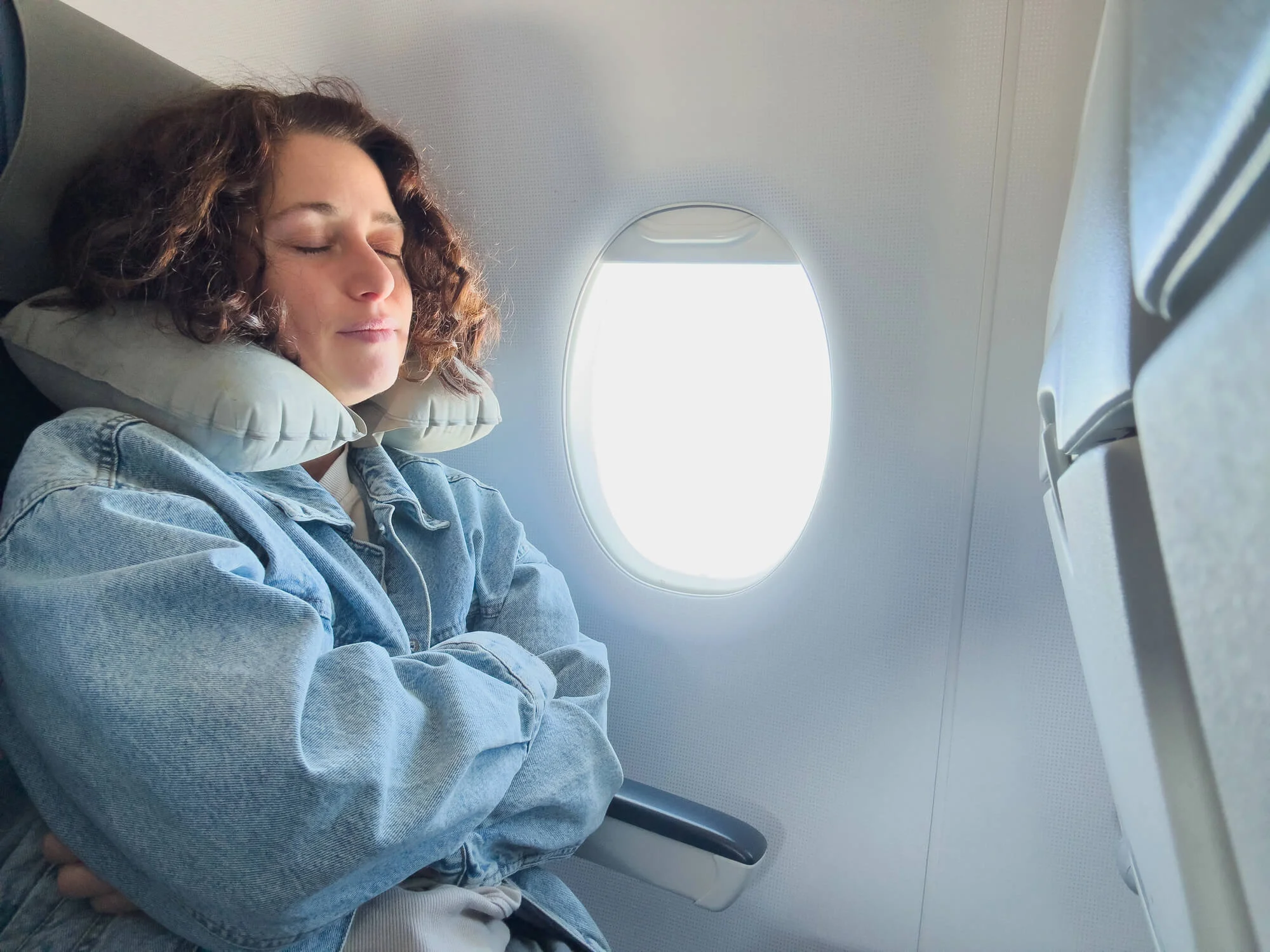
Traveling with a medical condition like lymphedema introduces layers of planning that many don’t consider—until swelling flares mid-flight or a beloved destination becomes uncomfortable instead of enjoyable.
Whether you're boarding a plane, embarking on a road trip, or preparing for a multi-day conference, your condition doesn’t take time off. This is why lymphedema compression garments are not just helpful—they're essential.
Long hours of sitting, elevation changes, varying climates, and unpredictable routines can quickly aggravate swelling. Without the right support, travel can turn from a source of adventure into a medical setback. A little preparation can make all the difference.

Why Travel Can Trigger Swelling or Discomfort
People with lymphedema often manage their symptoms carefully at home, where their daily routine, mobility, and climate are familiar and consistent. Travel removes those comforts.
Changes in air pressure during flights are especially problematic. Cabin air is pressurized but still lower than sea level, which can cause blood and lymphatic fluid to pool in the legs or arms. When you combine that with sitting still for hours, the result is often increased swelling by the time you land.
Even long drives can create similar issues. If you're not stopping to walk or stretch every hour or two, lymph can accumulate. Add heat, humidity, or elevation changes into the mix, and you’ve got a perfect storm for discomfort.
Some travelers experience flare-ups within just a few hours of starting their journey. The good news? You can plan ahead to minimize risks.
Airport Security with Compression Garments
One concern many people share is: Will I get stopped at airport security? The short answer is—possibly, but not for long. Compression garments are medical devices and fully TSA-approved. Still, being prepared can reduce delays and anxiety.
Tips for smooth screening:
- Inform the TSA agent discreetly that you’re wearing a medical garment.
- If you're concerned about privacy, request a private screening room. The TSA must accommodate.
- Wear easily removable shoes and clothing layers for comfort during checks.
- Keep a prescription or medical letter handy, especially if you're carrying extra garments or donning aids.
Most agents are familiar with compression sleeves or stockings, so you won’t be treated as a curiosity. That said, arriving early at the airport can bring you peace of mind.
Long Flights and Layovers: Managing Swelling Mid-Transit
Wearing your compression garments on the plane is non-negotiable. Even healthy travelers are encouraged to stay active and hydrated during long-haul flights. For lymphedema patients, the stakes are higher.
Here’s how to protect your limbs during air travel:
1. Wear your garment before takeoff
Don’t wait until you’re in the air. Put your compression garments on before heading to the airport. You’ll reduce swelling before it starts and avoid awkward situations in the terminal restroom.
2. Choose breathable, travel-friendly styles
Some garments are designed with long travel days in mind. Lightweight fabric, moisture-wicking technology, and easy-on designs can make a huge difference when seated for long periods.
3. Move whenever you can
Set a reminder on your phone to stand, stretch, or walk every hour. Even simple movements, such as ankle rolls and toe wiggles in your seat, can help stimulate lymphatic flow.
4. Hydrate consistently
It may seem counterintuitive, but dehydration worsens swelling. Sip water regularly and avoid alcohol and salty snacks that can promote fluid retention.
5. Pack extras
Spills can happen, especially in limited spaces. Keep an extra garment in your carry-on. If you wear compression at night, include that too, especially for long layovers or overnight flights.
How to Stay on Schedule with Garment Changes
Travel tends to upend routines. From red-eye flights to back-to-back tours, it’s easy to let garment use slip. However, consistency is key to preventing setbacks.
Here’s how to plan ahead:
- Count your days and pack one daytime garment per day (minimum). If you plan to wear nightwear, bring it along as well.
- Bring your donning aids, such as gloves or Velcro devices, in your carry-on if you’ll need to remove or change garments during the day.
- Store garments in separate mesh bags to keep them clean and easily accessible.
- If your provider tracks your previous measurements and coverage schedule, you can often preorder replacement garments to be delivered ahead of your trip. This is especially useful for longer vacations or medical travel.
The last thing you want is to find yourself in a new city, ready to explore, but without the gear you rely on to stay healthy.

Dealing with Climate Changes and Seasonal Travel
Compression garments work best when the wearer is comfortable. But what happens when the weather doesn’t cooperate?
Hot climates
Warm, humid destinations can increase sweating, which irritates the skin and breaks down the fibers of garments. Choose garments made from moisture-wicking and breathable materials, and apply a non-greasy barrier lotion before wearing to reduce friction.
Cold destinations
In colder places, dry skin can become flaky and inflamed. Some people also experience stiffness or delayed lymph movement. Heavier fabric blends may be better suited for winter wear. Moisturize consistently and layer gently over garments when needed.
High altitudes
Mountains, ski trips, or elevated cities can worsen swelling due to lower oxygen levels and pressure changes. Compression becomes even more important in these areas. Bring backups, and increase garment use during periods of higher physical activity or reduced rest.
Packing for temperature extremes doesn’t mean leaving your compression therapy behind. It means making informed choices.
Building a Daily Routine Away from Home
When your surroundings change, so do your habits. At home, you likely have a rhythm—when to wear your compression garments, when to elevate, when to exercise. Traveling throws those routines into chaos. That’s why it helps to set a simple, adaptable plan you can follow anywhere.
- Start and end your day with garment checks. When you wake up, inspect your limb for any signs of swelling or skin irritation. If everything looks good, put on your compression garments as usual. At night, clean and inspect the skin again. If you wear nightwear garments, don them before bed.
- Stick to movement intervals. Whether you’re attending a conference, lounging at a resort, or visiting relatives, you’ll likely sit more than usual. Set reminders to get up, stretch, and walk—especially if you’re not walking as much as you would at home.
- Hydration and elevation matter. These are easy to overlook on vacation. Always keep a water bottle nearby and look for opportunities to elevate your limb above heart level, especially in the evenings. If your hotel room has a stack of pillows or a reclining chair, make use of them.
Travel shouldn’t come at the cost of your comfort or progress. A little structure goes a long way toward protecting your mobility.
Tips for Multi-Day Trips or Extended Travel
If you're on the road for longer than a week, additional planning ensures your compression therapy continues uninterrupted.
1. Bring a laundry strategy
Compression garments need regular cleaning to maintain elasticity and hygiene. Most garments require handwashing or delicate machine cycles. Bring:
- A travel-size gentle detergent
- A portable laundry bag or sink stopper
- Mesh garment bags to protect fabric in machines
Some hotels offer laundry services that accommodate medical items. Ask ahead of time. Alternatively, pack enough garments to last the entire trip without needing to be repeated.
2. Plan for backup
If your limb size fluctuates due to activity, weather, or missed therapy, your garment fit may change slightly. Bring a secondary set in a slightly different compression level or adjustable style if you have one.
3. Storage counts
Avoid stuffing garments in hot trunks or compressed backpacks. Store them flat when possible, and use garment cylinders or fabric pouches to avoid damage during transit.
A 10-day trip requires more than just an extra pair of socks. It requires thoughtful preparation to maintain your body’s support and keep your condition under control.
Considerations for Different Types of Travel
Different modes of transportation pose different challenges. Here's how to handle each with confidence:
Air Travel
- Wear compression garments during the flight.
- Move every hour; even simple stretches count.
- Hydrate more than usual.
- Pack all essentials in your carry-on, including extra clothing and any necessary aids.
Road Trips
- Plan rest stops every 1–2 hours.
- Use car organizers to keep water, snacks, and garments accessible.
- Avoid restrictive clothing over compression garments.
- Elevate your limb when possible during breaks.
Cruises
- Be mindful of humidity levels and exposure to saltwater.
- Bring nightwear options if you plan to stay on board for multiple days.
- Use spa time to soak or elevate your limbs—just don’t forget to reapply garments afterward.
Each scenario is manageable with the right planning. Your mobility and health can stay protected without sacrificing the experience.

Addressing Common Travel Concerns with Lymphedema
“What if my garments get damaged or lost?”
Pack duplicates. If you’re flying, keep one set in your carry-on bag and another in your checked baggage. Some travelers even ship extras to their destination ahead of time.
“Will I stand out?”
Modern compression garments come in sleek, discreet designs. Skin-tone options, activewear styles, and breathable fabric blends help them blend in with most outfits.
“What if I skip a day?”
One missed day doesn’t mean disaster, but a pattern can lead to flare-ups. Use that awareness to get back on track quickly.
“Can I wear compression in the pool?”
Not unless your garments are specifically designed for water. Prolonged exposure can damage fibers and reduce effectiveness. Remove garments before swimming and reapply once dry.
“What if I need to change garments during the day?”
Bring a discreet changing pouch and choose restrooms with adequate space. Many compression users carry a second pair and a small towel or wipes for quick freshening up. It’s easier than it sounds once it’s part of your routine.
“What if I experience swelling in a new area?”
Changes in climate, activity, or hydration can sometimes trigger unexpected swelling. Keep a looser backup garment on hand and elevate the affected limb as soon as possible. Follow up with your specialist after the trip if the swelling doesn’t subside.
“Will TSA or customs give me trouble?”
While it’s rare, it’s helpful to carry a doctor’s note or a garment prescription. You can explain your medical necessity calmly, and most agents are trained to accommodate. Wearing your garments through security is usually allowed.
“What if my skin reacts differently in a new climate?”
Hot or dry climates can irritate skin under compression. Pack a travel-size, unscented lotion that is approved for use with your garments. Avoid sunburn and excessive sweating in areas where garments are applied.
“Can I use donning aids on the road?”
Absolutely. Travel-sized donning gloves, sleeve aids, and portable applicators exist. Include them in your carry-on or checked luggage, depending on your daily needs.
Final Travel Packing Checklist for Compression Therapy
Before your next trip, review this checklist:
- Enough daytime compression garments for each travel day
- Nighttime compression garments, if used
- Donning aids (gloves, Velcro, etc.)
- Portable detergent and washing supplies
- Travel-sized lotion for skin protection
- Garment storage containers or mesh bags
- Medical note or prescription for TSA or international customs
- Extra copies of recent garment measurements (optional but helpful)
- Refill schedule or reminder to reorder after travel
This list may seem extensive, but each item helps prevent discomfort, complications, or setbacks. With the right prep, you won’t need to stress about your condition—you’ll just enjoy the trip.
Traveling with Lymphedema: How to Choose the Right Compression Garments
When choosing lymphedema compression garments for travel, it helps to know what features matter most:
- Breathable, moisture-wicking material for active or warm conditions
- Travel-ready designs with zippered or easy-don features
- Lightweight yet durable fabric for long wear
- Options for nighttime use for continued support
- Backup sets that can be rotated or swapped mid-day
- Custom fit based on recent measurements, especially before big trips
- Support from a provider that understands your condition and insurance coverage
Some providers even help track your measurement history, guide Medicare reimbursement schedules, and simplify the reorder process. These details matter when you're preparing for a busy season or extended travel.
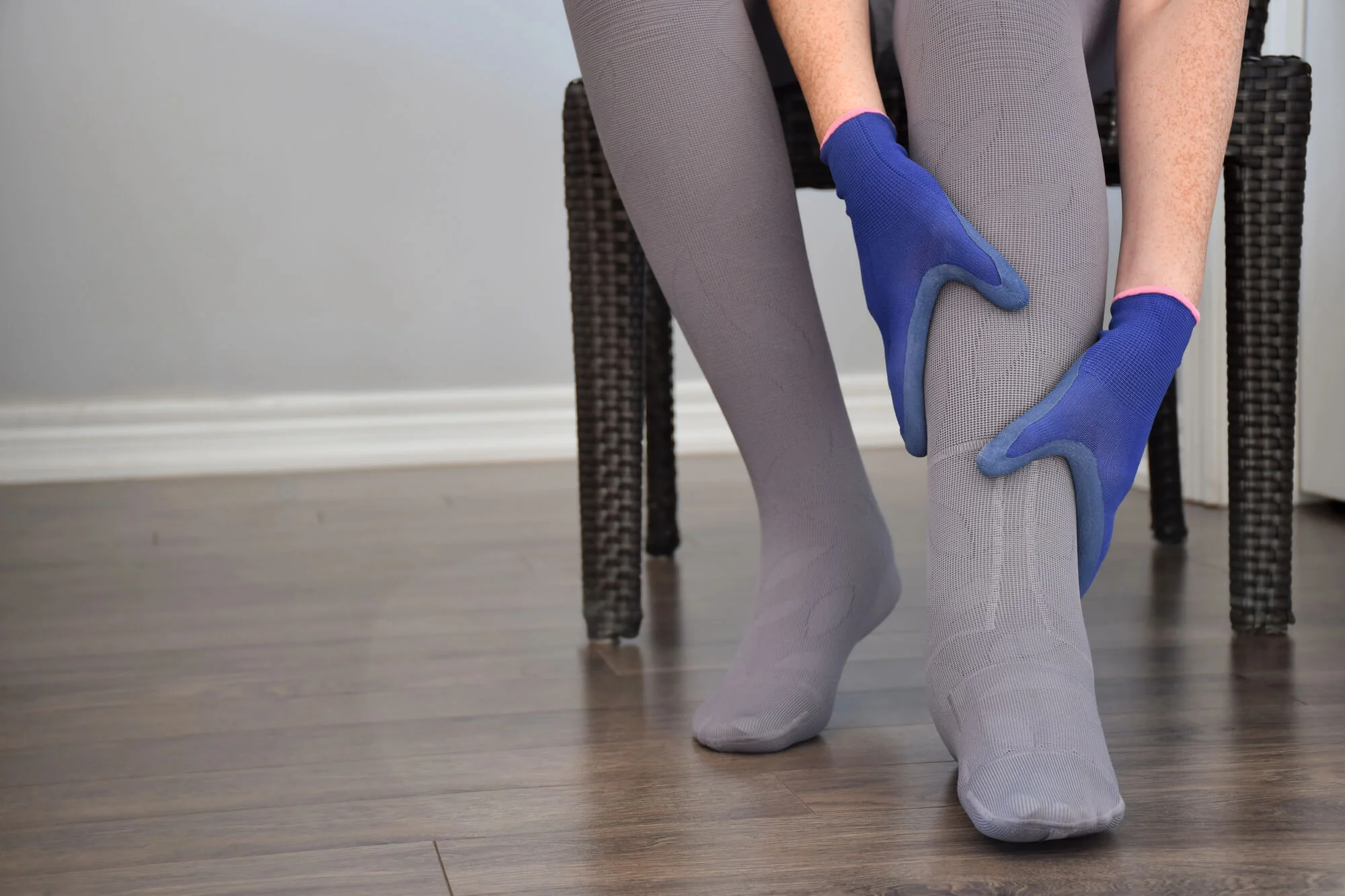
Are You Looking for the Right Partner for Comfortable, Travel-Ready Lymphedema Compression Garments?
Whether you're planning a weekend getaway or a month-long journey, your compression therapy should go with you—seamlessly. That’s where No Cost Shoes comes in.
We provide custom-fit lymphedema compression garments, including daytime and nighttime options, and assist patients in navigating Medicare coverage, ordering timelines, and garment renewals. Our team understands the challenges of traveling with lymphedema and can help you find the right products to stay comfortable and compliant wherever life takes you.
Do you have questions or need help getting started? Contact us today. We’re here to support your mobility, no matter where you go.

Website by: Digital Resource